Welcome to the Saints & Sunsets Image Page

We hope you are enjoying your stay at Saints & Sunsets in Myponga.

You may have noticed the photographs displayed throughout the property, showcasing locations from across the beautiful Fleurieu Peninsula. If you’d like to experience these places for yourself, the information below will help you discover where they are and how to get there. And should a particular image catch your eye, you’re welcome to order a print for yourself, with delivery available direct to your door.


Morgan’s Beach - Cape Jervis

Morgan’s Beach, tucked away at Cape Jervis on South Australia’s Fleurieu Peninsula, is a rugged and secluded stretch of coastline known for its dramatic natural setting. The unpatrolled sandy beach sits below steep cliffs formed from ancient Permian Ice Age glacial debris, with large boulders scattered along the shore that draw interest from geologists and nature lovers alike. Calm, clean waters at the northern end make it appealing for a quiet swim on suitable days, while the rocky reef to the south adds to its wild, untouched character. Accessed via a steep, unsealed track from Cape Jervis, Morgan’s Beach feels remote and peaceful, offering a raw coastal experience well away from crowds.


Myponga Beach

Myponga Beach is a quiet, tucked‑away coastal spot on South Australia’s Fleurieu Peninsula, known for its natural beauty and relaxed, unspoilt feel. Set in a small valley carved by Myponga Creek, the beach is framed by grassy bluffs at either end, with a mix of sandy shoreline, rocks and reefs extending into the sea. A lagoon and wetland sit at the southern end of the beach, adding to its scenic character, while a small cluster of houses lines the rear of the shore. Unpatrolled and largely untouched by crowds, Myponga Beach is valued for its peaceful atmosphere and connection to the surrounding coastal landscape, making it a favourite for those seeking a quieter seaside escape.


Ingalalla Waterfalls

Ingalalla Waterfalls is a scenic cascade nestled within Second Valley Forest on South Australia’s Fleurieu Peninsula, offering a peaceful and refreshing nature experience. Located near Hay Flat Road, the falls descend through a forested gully into a series of rock pools, surrounded by tall pines, native vegetation, and abundant birdlife. A short, well‑defined walking trail leads from the car park to the base of the falls, making it an easy and rewarding visit for most walkers. Particularly striking after winter rains, Ingalalla Waterfalls is a popular spot for quiet picnics, photography, and gentle exploration, showcasing a different side of the Fleurieu beyond its coastline.


Second Valley Beach

Second Valley Beach is one of the Fleurieu Peninsula’s most striking coastal destinations, renowned for its crystal‑clear waters, dramatic cliffs, and unique geological formations. Nestled at the end of a narrow valley, the beach is divided by a jetty into two distinct areas: a sheltered sandy beach ideal for swimming, and a rockier section popular with snorkellers, divers, and photographers. The calm, protected bay and vibrant marine life make it a favourite for water activities, while the surrounding hills and coastal scenery add to its postcard‑worthy appeal. Easily accessible and set alongside the small township and caravan park, Second Valley Beach is widely regarded as one of South Australia’s most photographed and memorable beaches.


Normanville Jetty

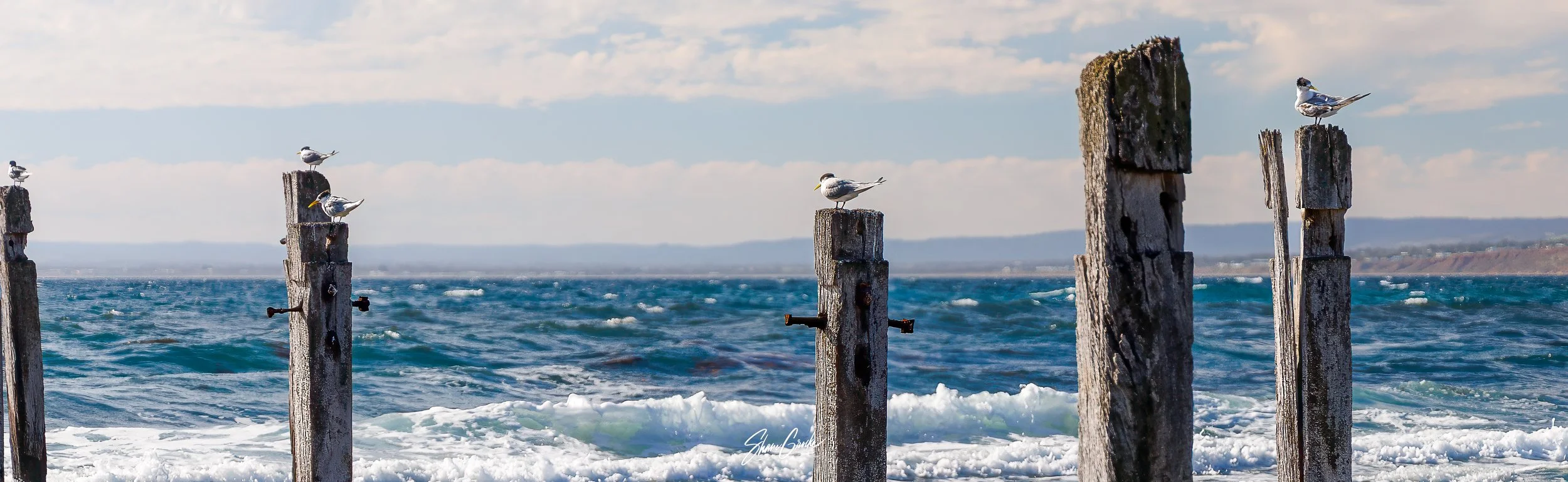
Normanville Jetty is a much‑loved coastal landmark with deep historical roots, reflecting the town’s maritime past and ongoing connection to the sea. Originally constructed in the mid‑1800s to service the region’s wheat industry, the jetty played an important role as a local port before suffering repeated storm damage over the decades. What remains today is a short promenade jetty extending from Normanville Beach, offering a popular spot for walking, fishing, and enjoying views across Gulf St Vincent. Set against the backdrop of sand dunes and open coastline, Normanville Jetty continues to hold strong community significance as both a reminder of the town’s heritage and a focal point for locals and visitors alike.


Rose Cottage (Ruin)

Rose Cottage Ruins, near Ingalalla Falls, are a quiet and evocative reminder of early European settlement hidden within the Second Valley Forest. The remains of this mid‑19th‑century cottage sit just a short walk from the Ingalalla Falls area and once formed part of a small pastoral presence in the district. Today, only scattered stonework and foundations remain, slowly being reclaimed by the surrounding bush, but the site still offers a strong sense of place and history. Tucked away among towering trees and forest tracks, Rose Cottage provides an atmospheric contrast to the nearby waterfall and picnic area, inviting visitors to pause and reflect on the lives of those who once called this remote corner of the Fleurieu Peninsula home.


Deep Creek

Deep Creek National Park is one of the Fleurieu Peninsula’s most spectacular natural landscapes, stretching along a rugged section of coastline south of Normanville. The park protects the largest remaining area of natural vegetation on the peninsula and is renowned for its dramatic cliffs, rolling coastal hills and sweeping views across Backstairs Passage to Kangaroo Island. A network of walking trails, including sections of the Heysen Trail, winds through native bushland rich in wildlife such as western grey kangaroos, echidnas and abundant birdlife, while seasonal whale sightings can be seen offshore during migration. With its mix of coastal, secluded beaches, deep valleys and accessible campgrounds, Deep Creek offers a raw and immersive nature experience just over an hour from Adelaide.


Rapid Bay

Rapid Bay is a small but historically significant seaside settlement on the west coast of the Fleurieu Peninsula, best known for its sheltered bay, striking limestone cliffs and iconic jetties. The bay is particularly famous as one of South Australia’s premier diving and snorkelling sites, with the jetty pylons and seabed regularly hosting leafy seadragons and diverse marine life. Rapid Bay also holds a special place in the state’s history — it was the site of Colonel William Light’s first mainland landing in 1836 and carries deep cultural significance for the Kaurna and Ramindjeri peoples, with the area forming part of the Tjilbruke Dreaming trail. Today, its quiet campground, pebble beach and dramatic coastal setting make Rapid Bay a peaceful yet compelling destination where natural beauty, maritime history and living culture intersect.


Carrickalinga

Carrickalinga is a quiet coastal village on the Fleurieu Peninsula, widely regarded as one of South Australia’s most beautiful beaches thanks to its long sweep of fine white sand, turquoise water and gently shelving shoreline. Framed by rolling hills and low limestone cliffs, the beach is largely untouched and rarely crowded, making it ideal for swimming, walking and simply soaking up the coastal landscape in a peaceful setting. To the northern end of Carrickalinga lies its “secret beach” — a small, secluded cove tucked beyond rocky headlands and accessible only via informal walking tracks and goat trails. This hidden spot rewards the adventurous with crystal‑clear water, sheltered rock pools and a sense of complete isolation, offering a striking contrast to the open beach and reinforcing Carrickalinga’s reputation as one of the Fleurieu Coast’s true hidden gems.


Myponga Reservoir

Myponga Reservoir is a peaceful freshwater retreat nestled just inland from the Fleurieu Coast, offering a very different but equally rewarding nature experience to the region’s beaches and national parks. Surrounded by rolling hills and native bushland, the reservoir features a well-maintained walking trail that loops along the water’s edge and through forested sections, making it ideal for relaxed strolls, birdwatching and photography. Kayaking is a standout activity here, with calm, sheltered waters providing a quiet environment to explore the reservoir by paddle and enjoy close views of the surrounding landscape. With no powered boats permitted and limited development, Myponga Reservoir feels tranquil and spacious, providing an immersive, low‑impact way to experience the Fleurieu’s inland scenery just a short drive from the coast.